Fashionably reinventing the wheel
Selected as Alternative Set | 25M+ cross-platform impressions
Challenge
Urban cycling is relevant, but culturally constrained. It remains associated with performance, sport, and technical gear, creating a disconnect for style-conscious urban professionals.
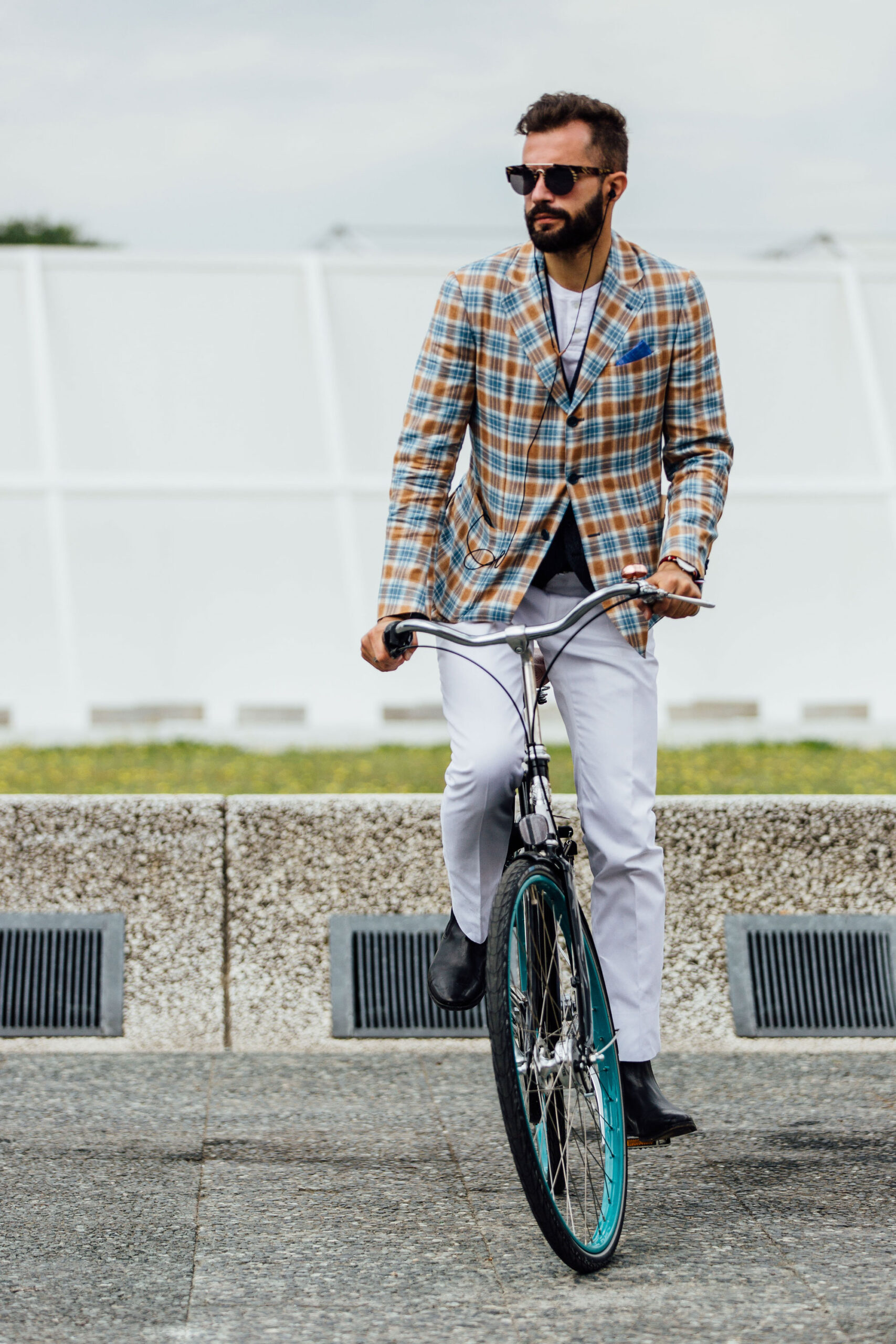
The challenge was to reposition cycling from utility to identity, aligning it with contemporary urban life.
Read more +
Solution
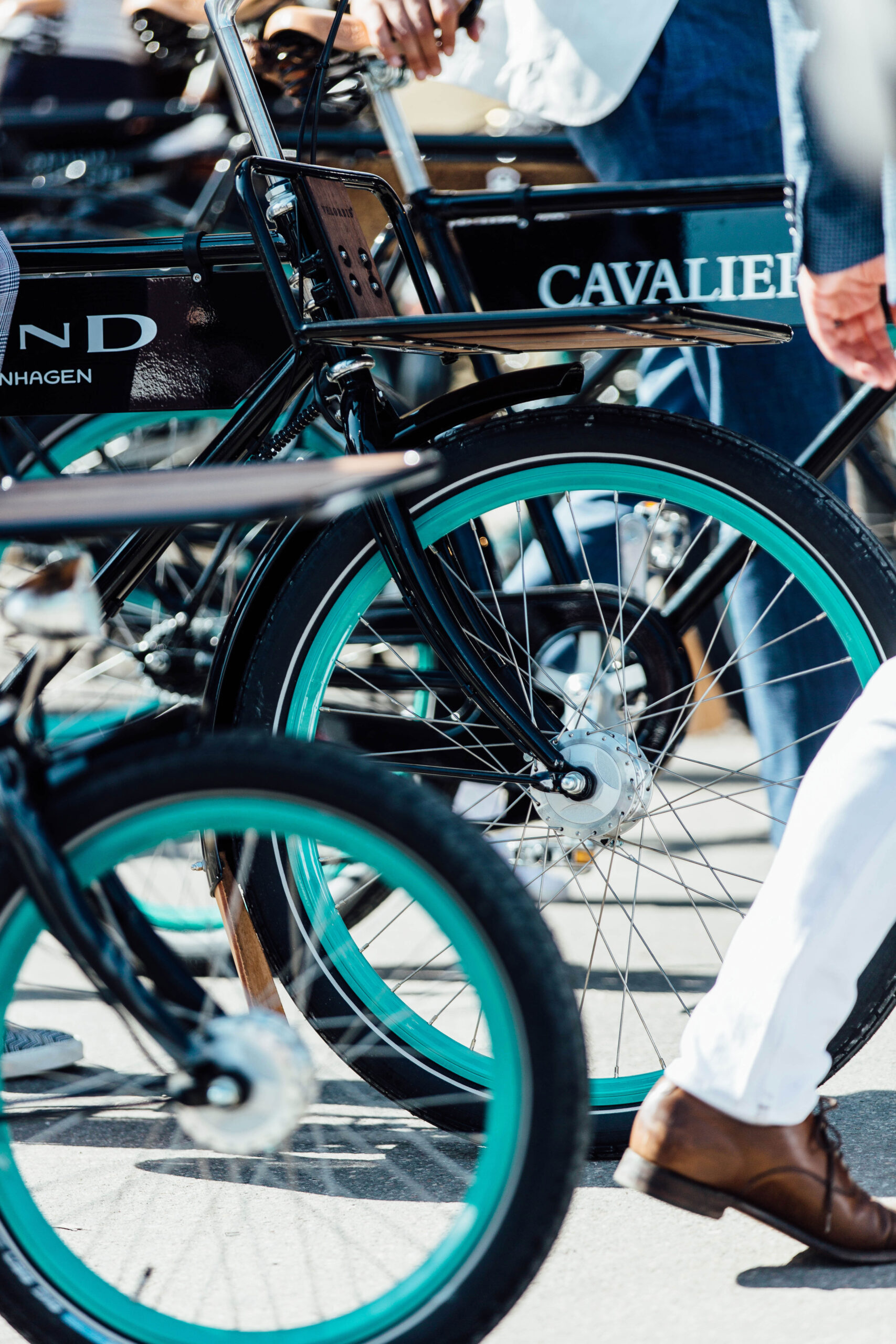
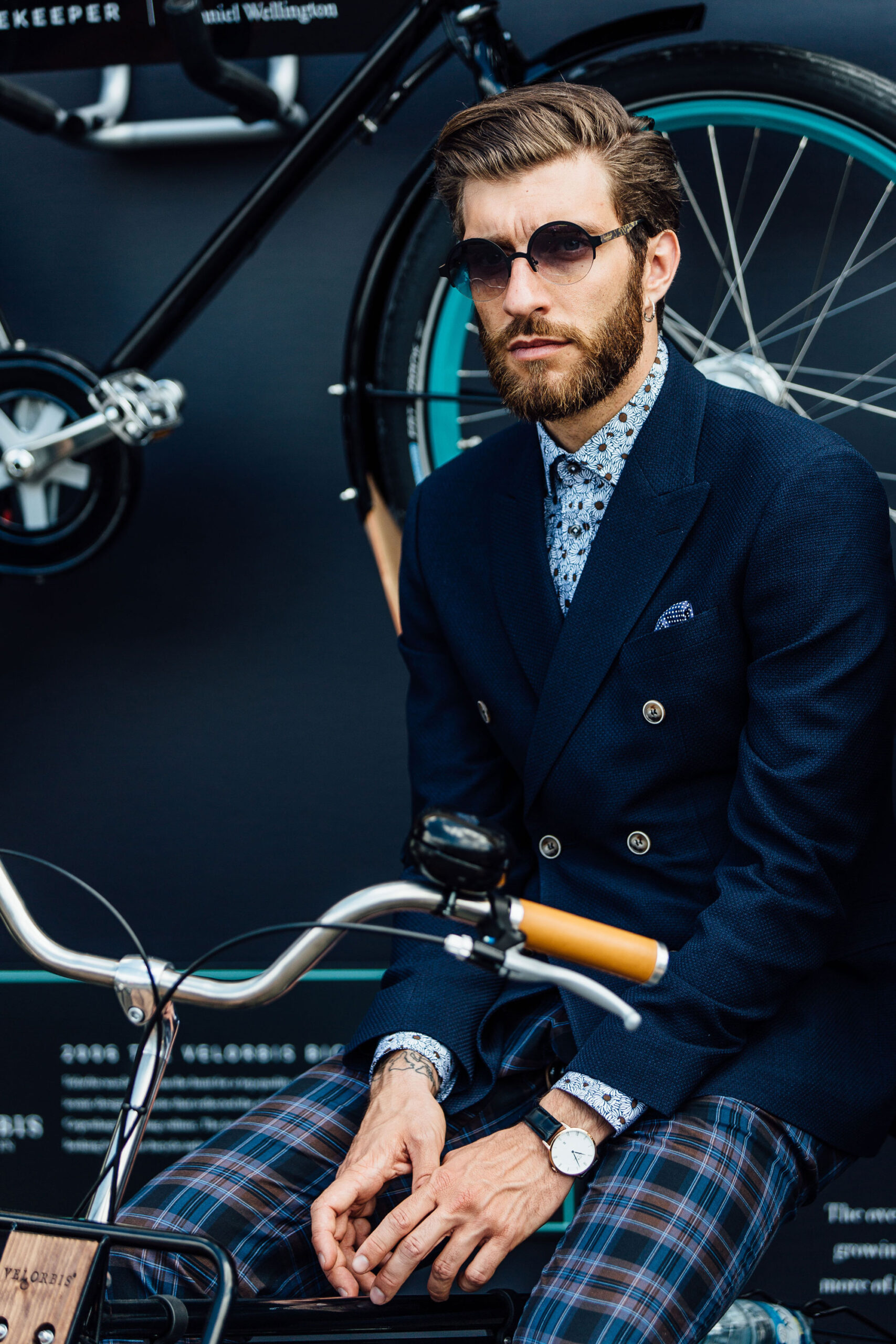
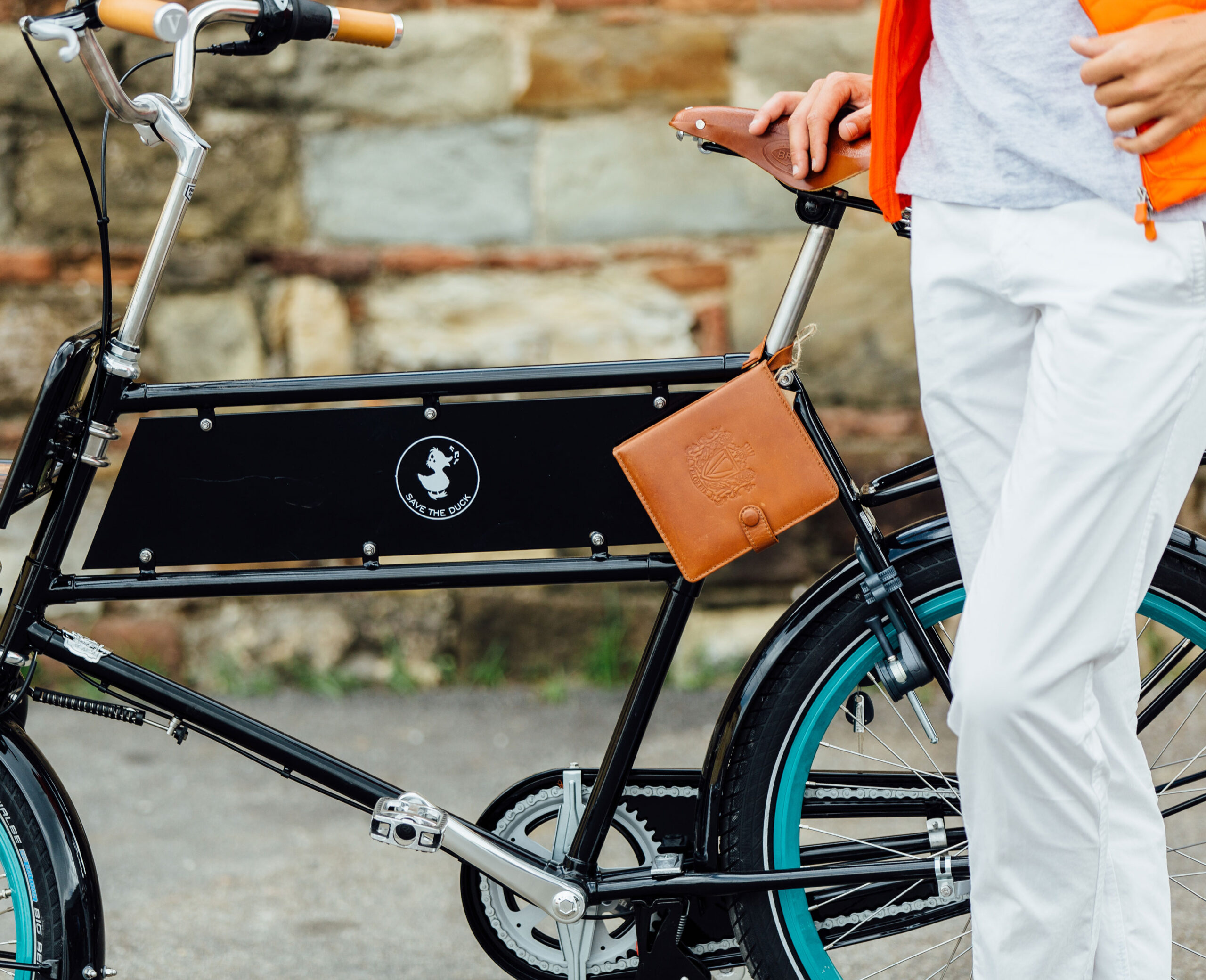
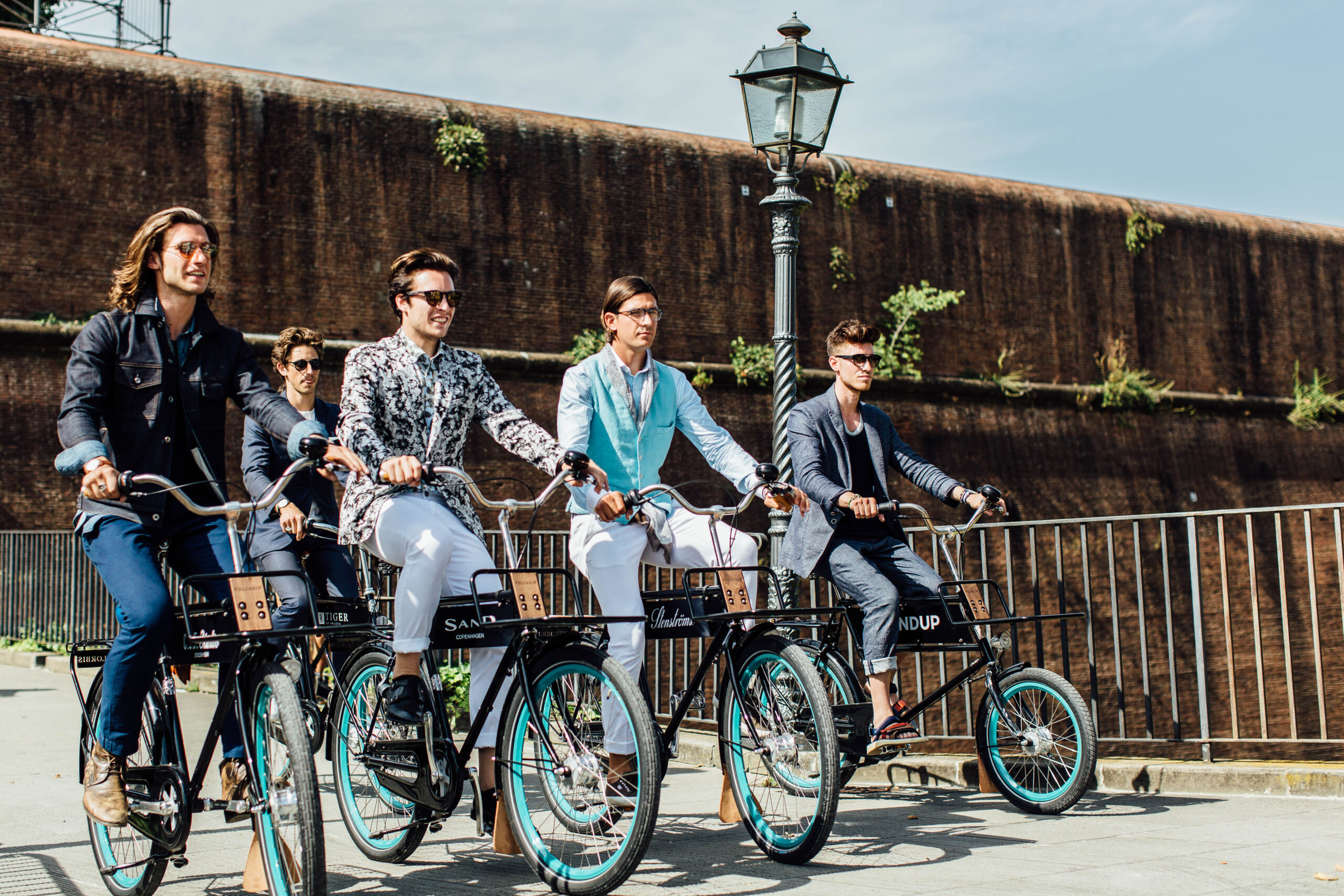
Conceived in Stockholm in partnership with the Danish bicycle brand Velorbis, Giro d’Stil reframed cycling as a form of stylistic expression. Blending fashion show and bicycle race, the concept transformed the city’s streets into a continuous stage, broadcast live on Aftonbladet TV.
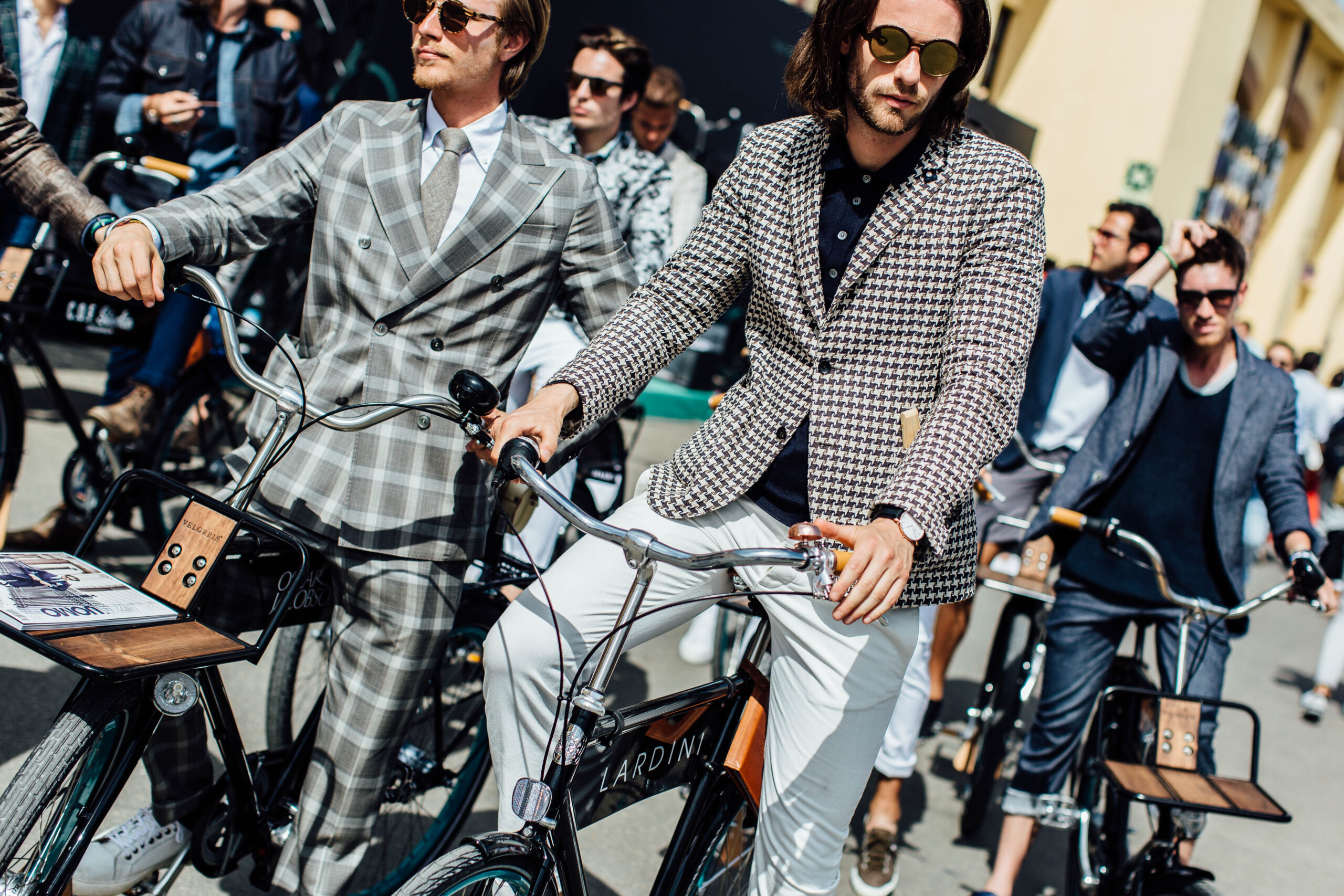
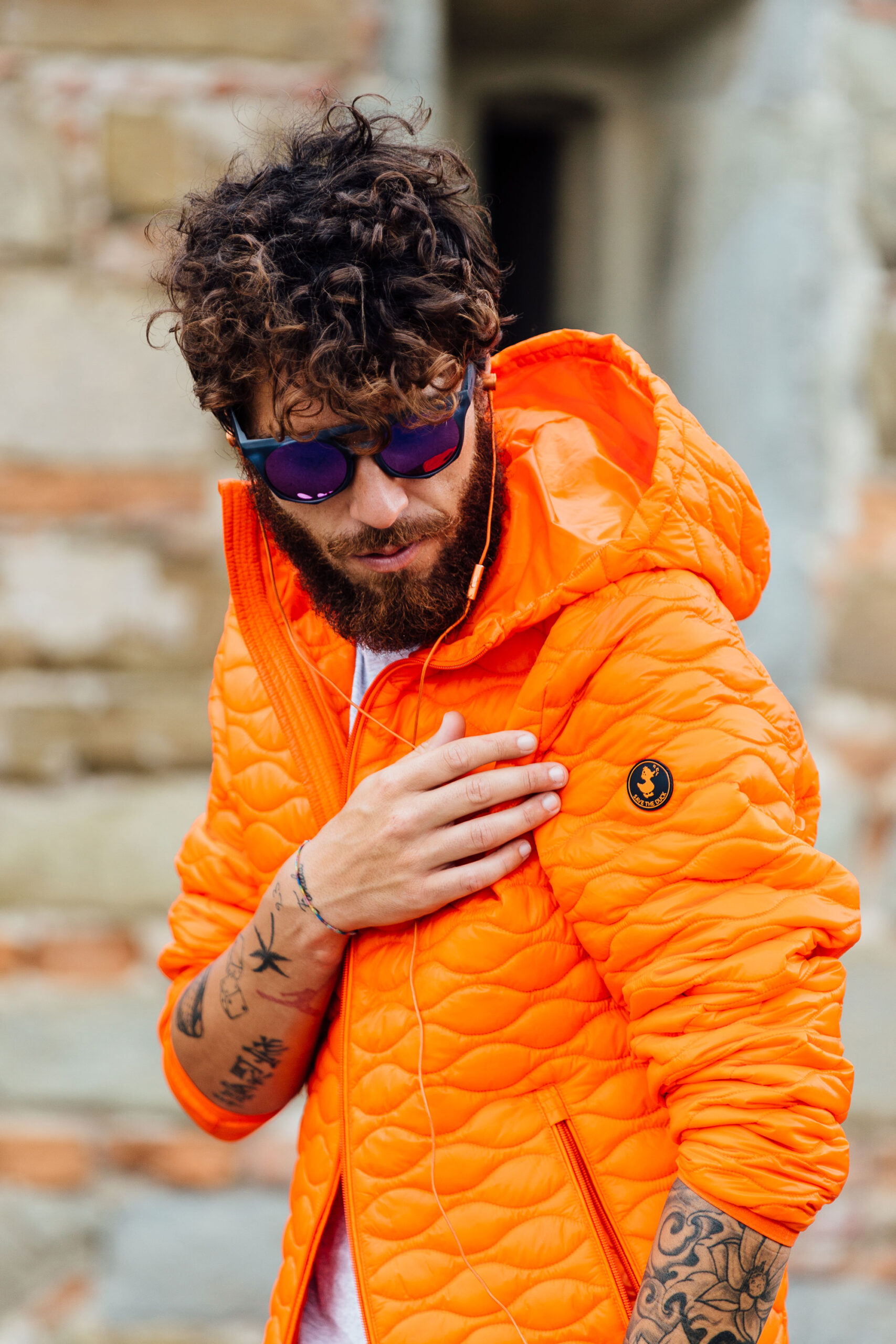
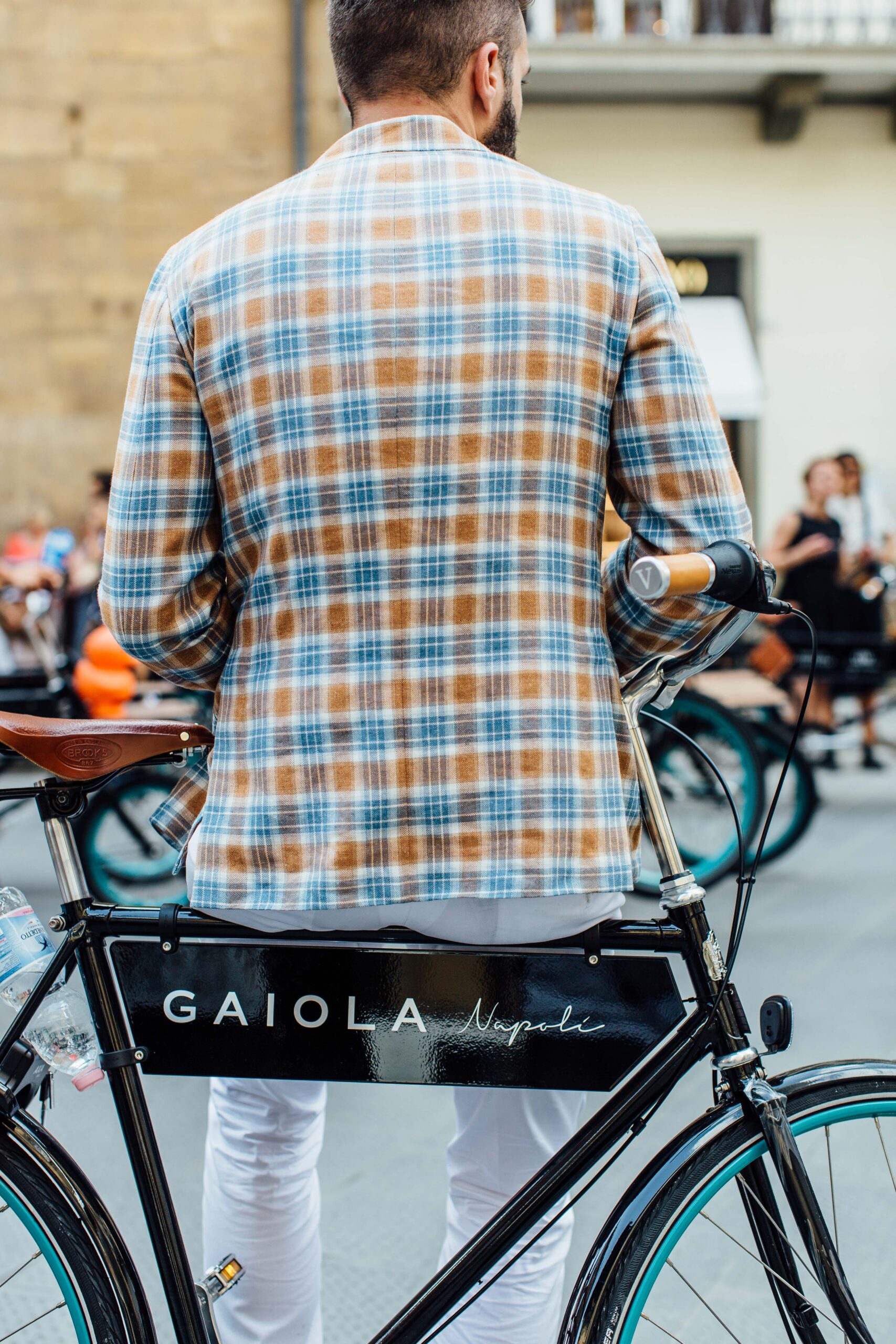
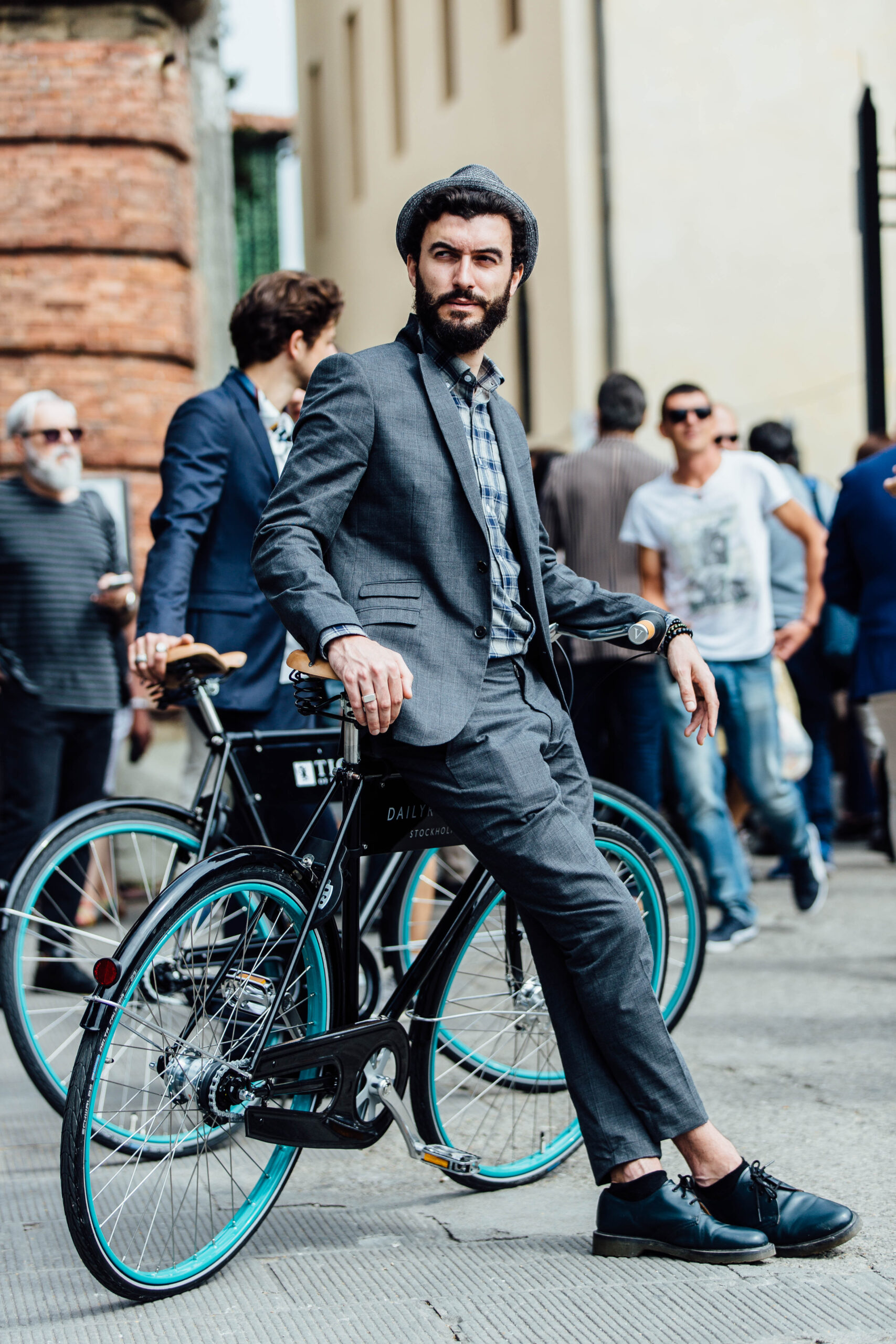
The following year, the event was invited to Pitti Uomo in Florence. The race featuring 17 menswear brands began inside the Fortezza da Basso and, for the first time in the fair’s history, extended beyond its walls — crossing the main drawbridge and unfolding through the streets of Florence, effectively turning the city into a moving runway.
Produced in collaboration with the Florence municipality, the event aligned with the city’s mobility agenda and was supported by a police-escorted route through central Florence.
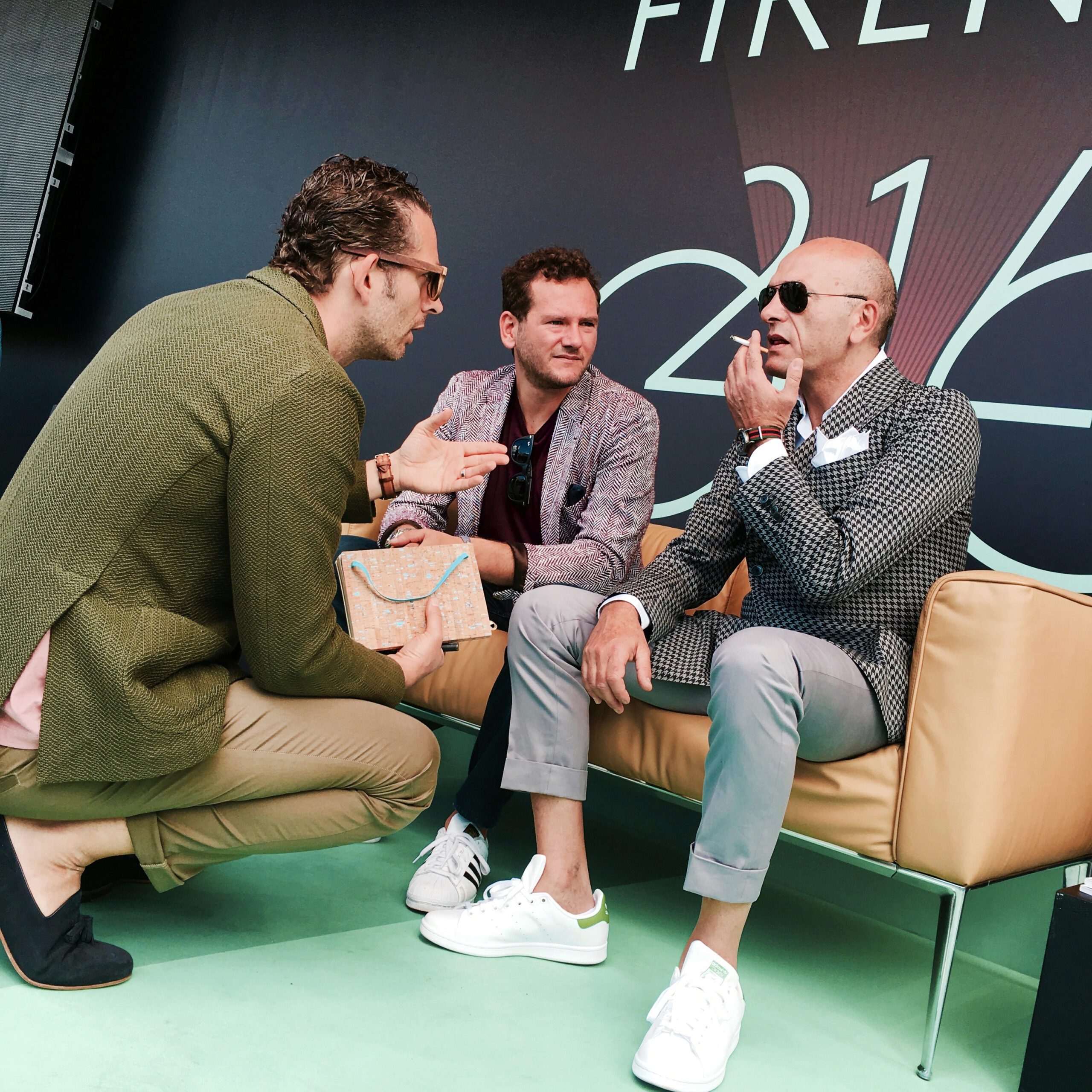
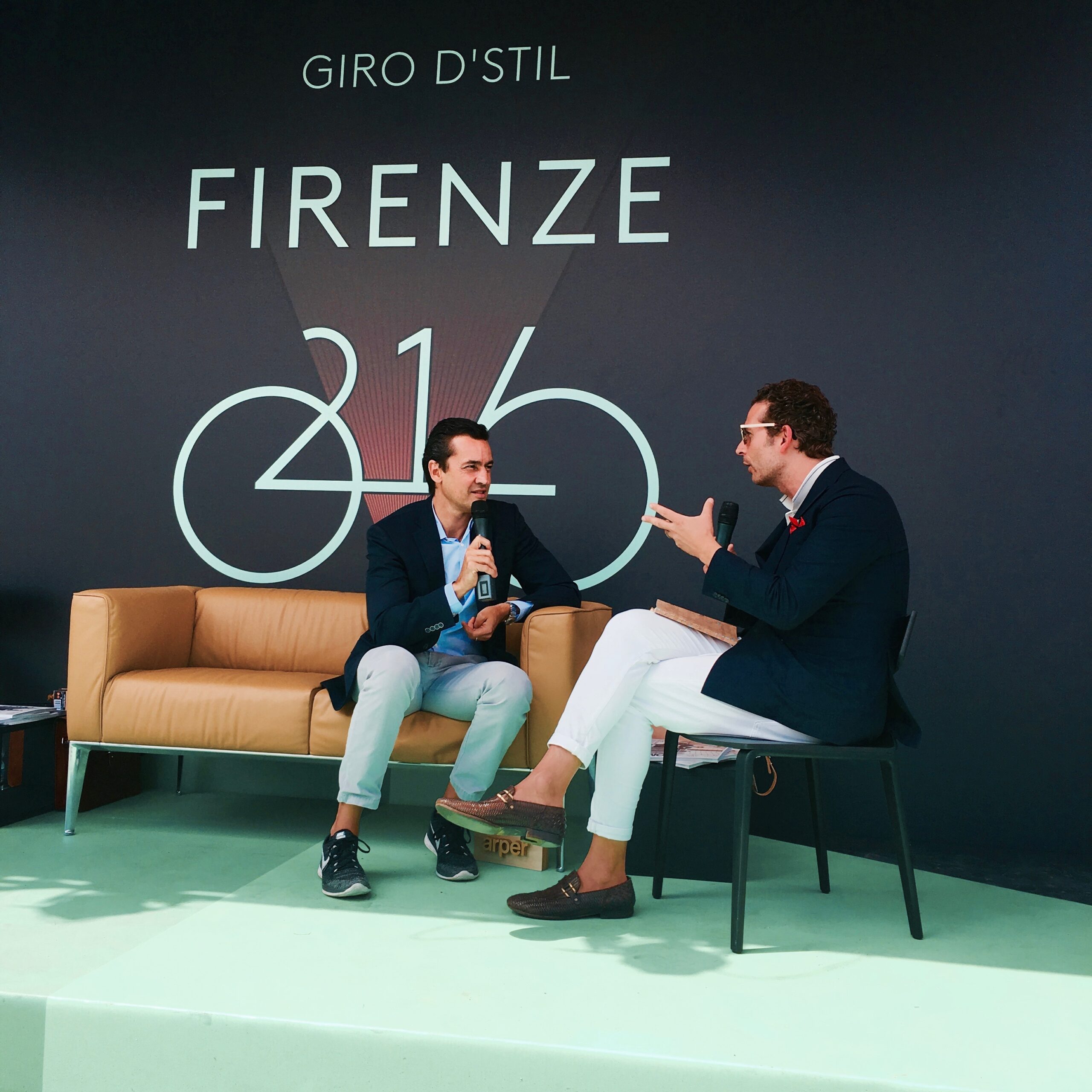
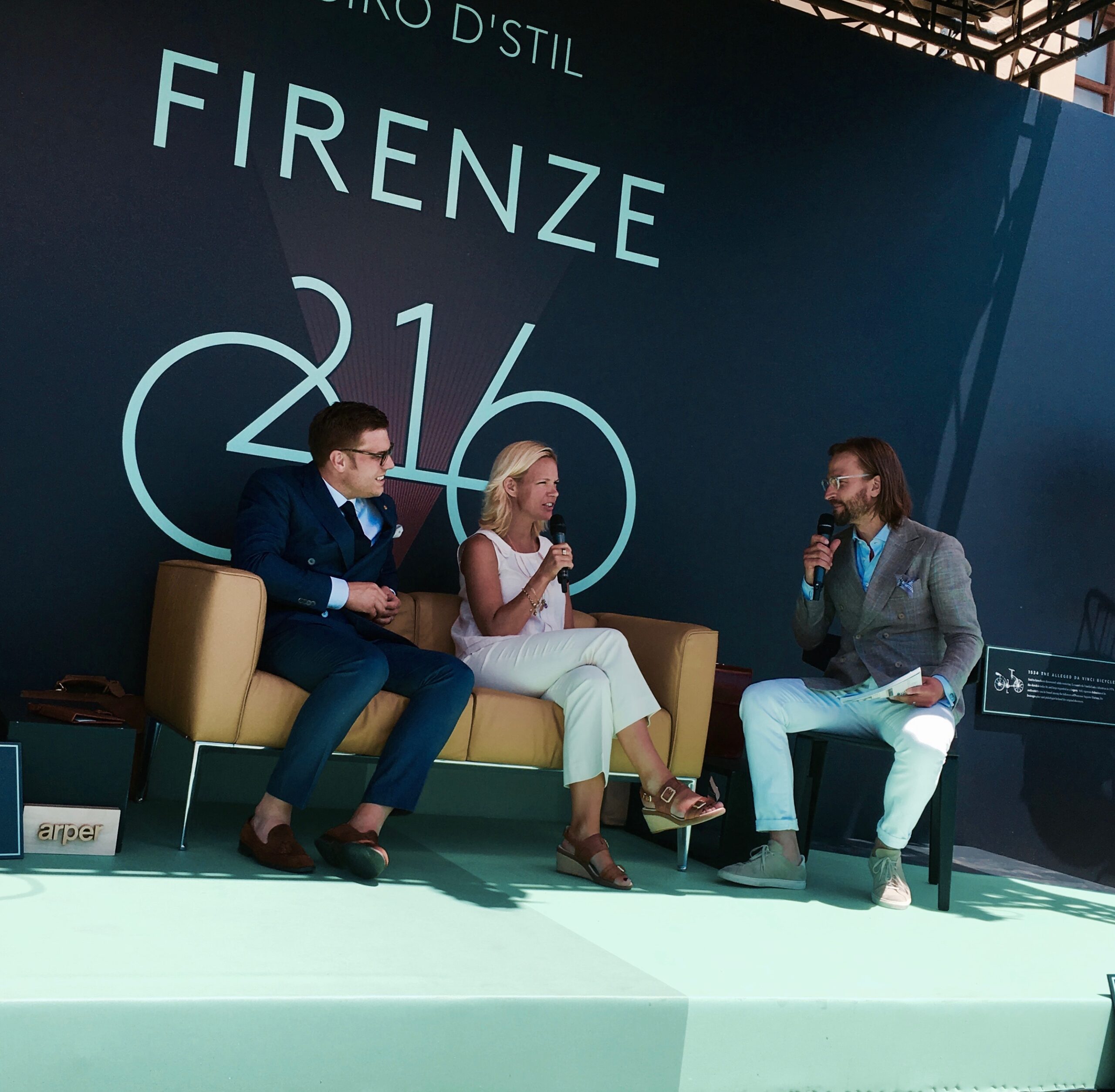
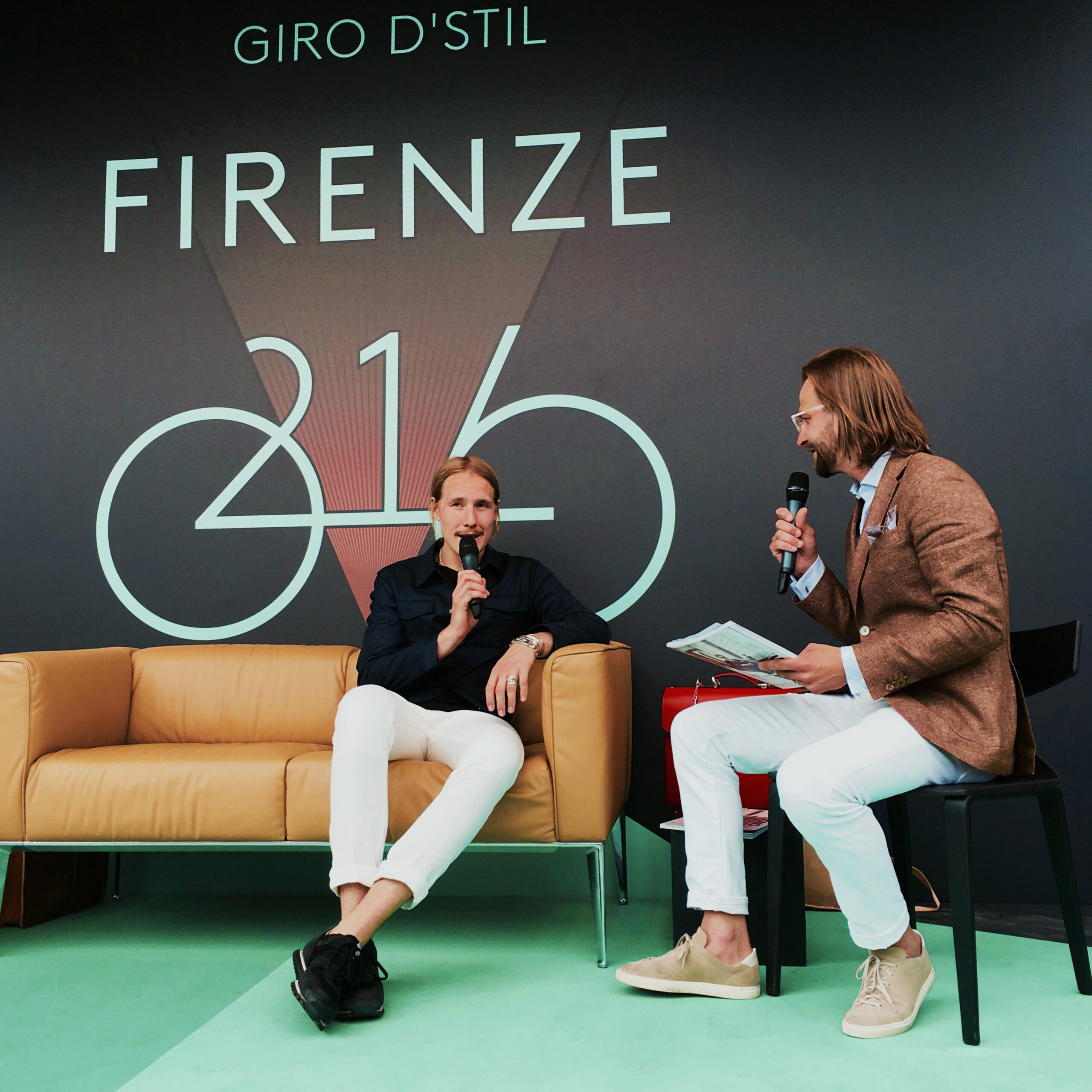
The program expanded into a four-day live format, with daily streamed interviews featuring participating brands and sponsors, positioning the initiative within a broader dialogue on fashion and urban mobility.
Outcome
Selected by Pitti Immagine as part of the Alternative Set program.
• Second most engaging initiative at Pitti Uomo, surpassed only by Raf Simons
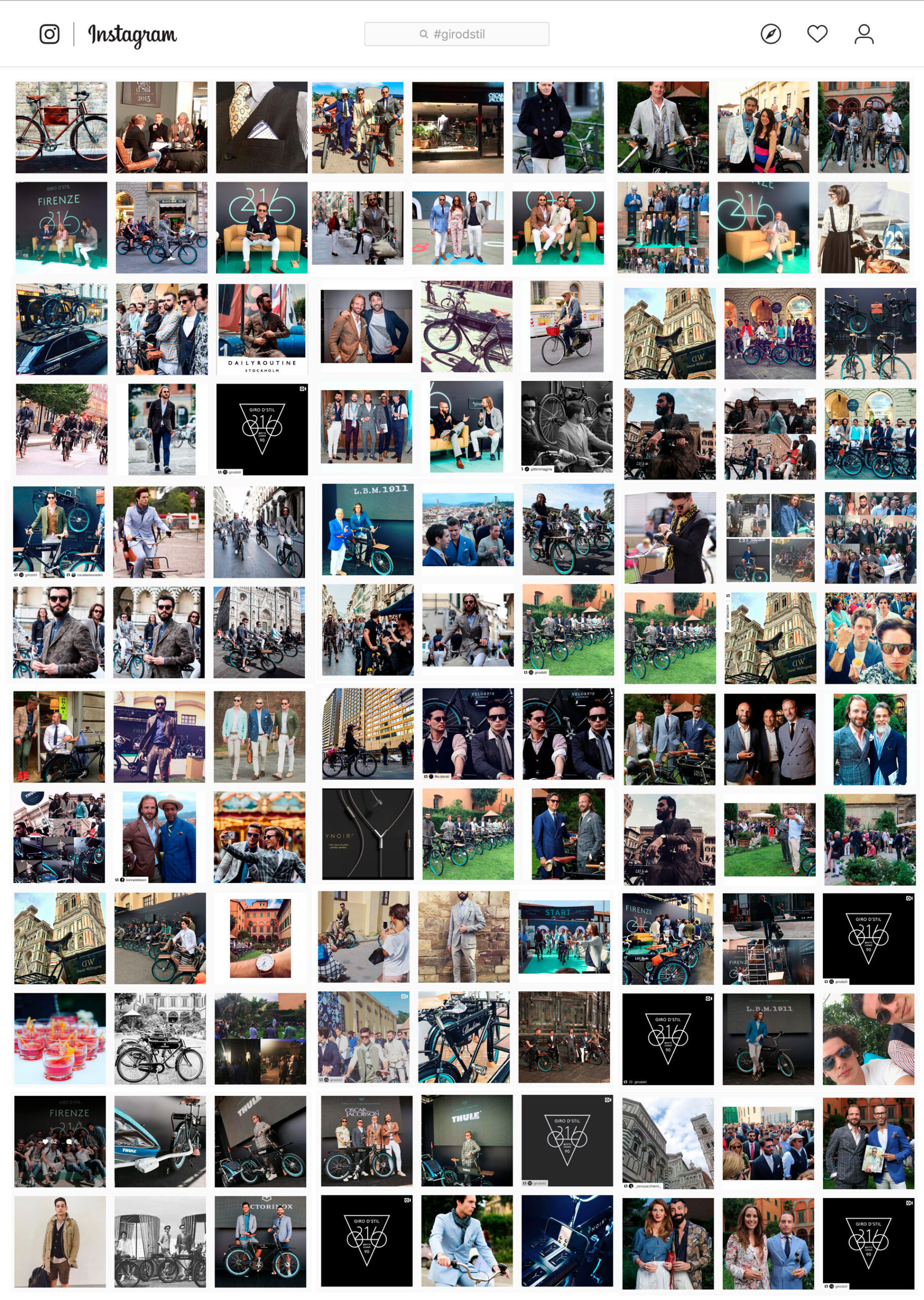
• Estimated 25M+ cross-platform impressions driven by brands, media, and social amplification
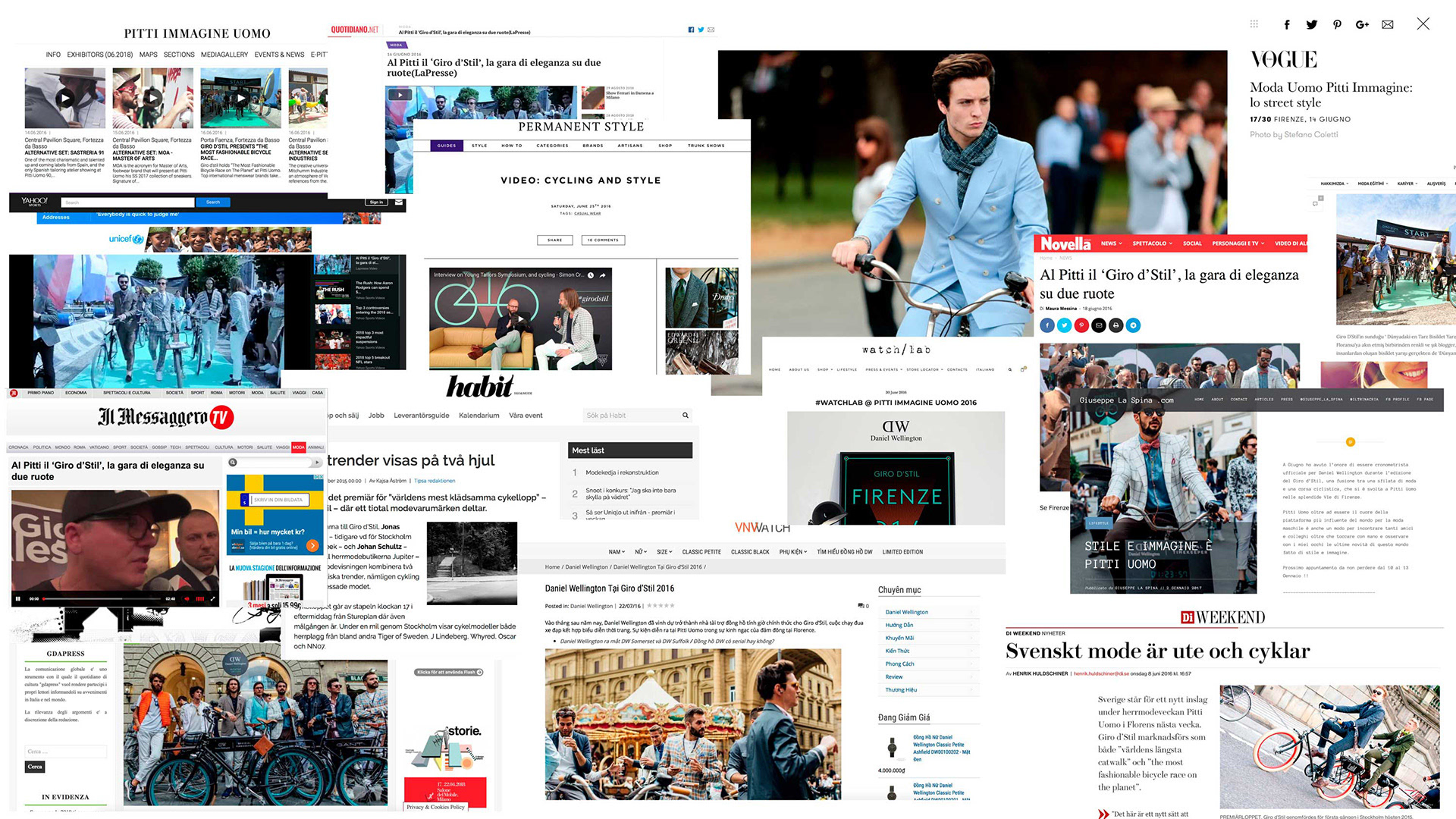
• Extensive international editorial coverage across fashion and lifestyle media
The project positioned cycling as an extension of personal style rather than a compromise of it.
Role
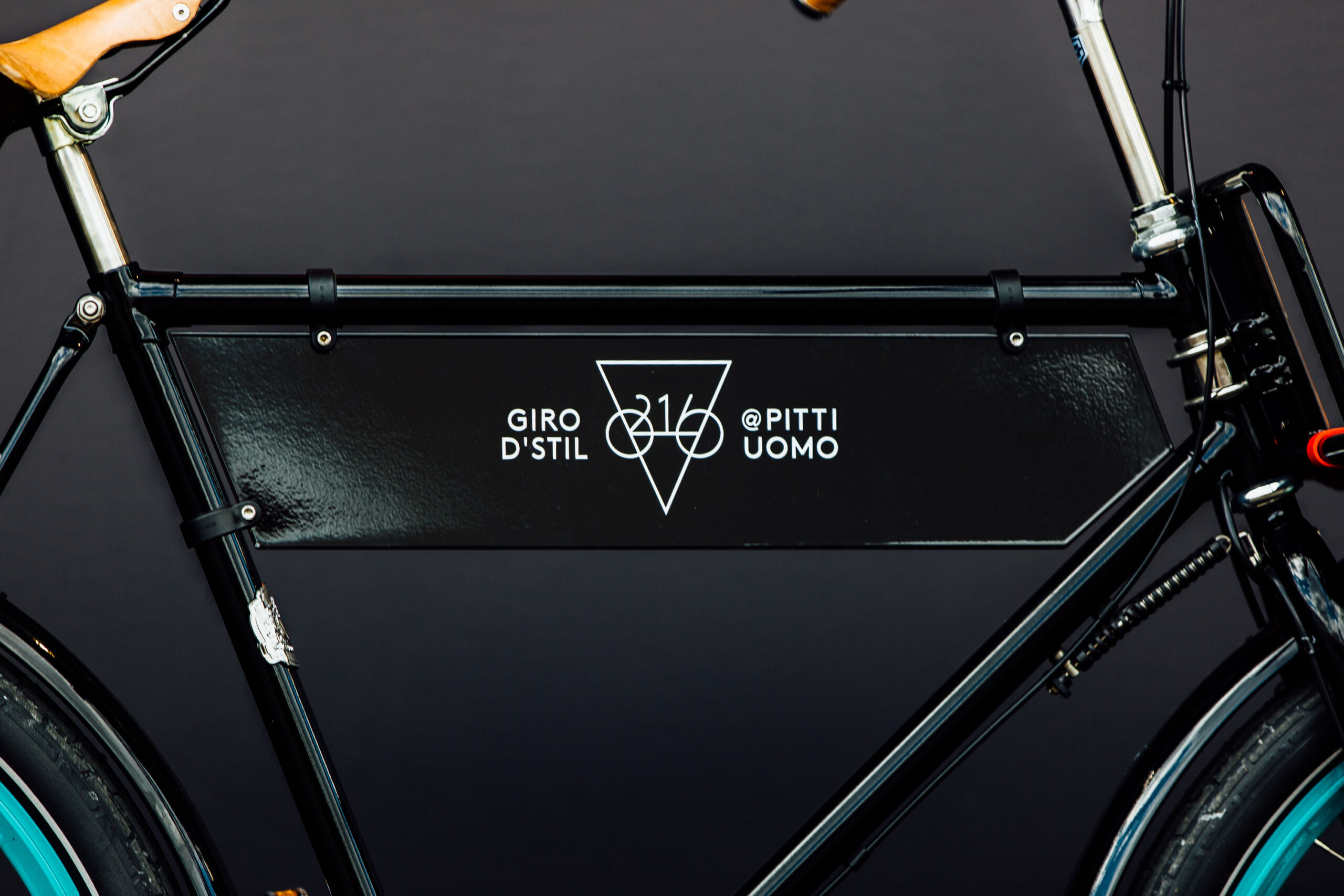
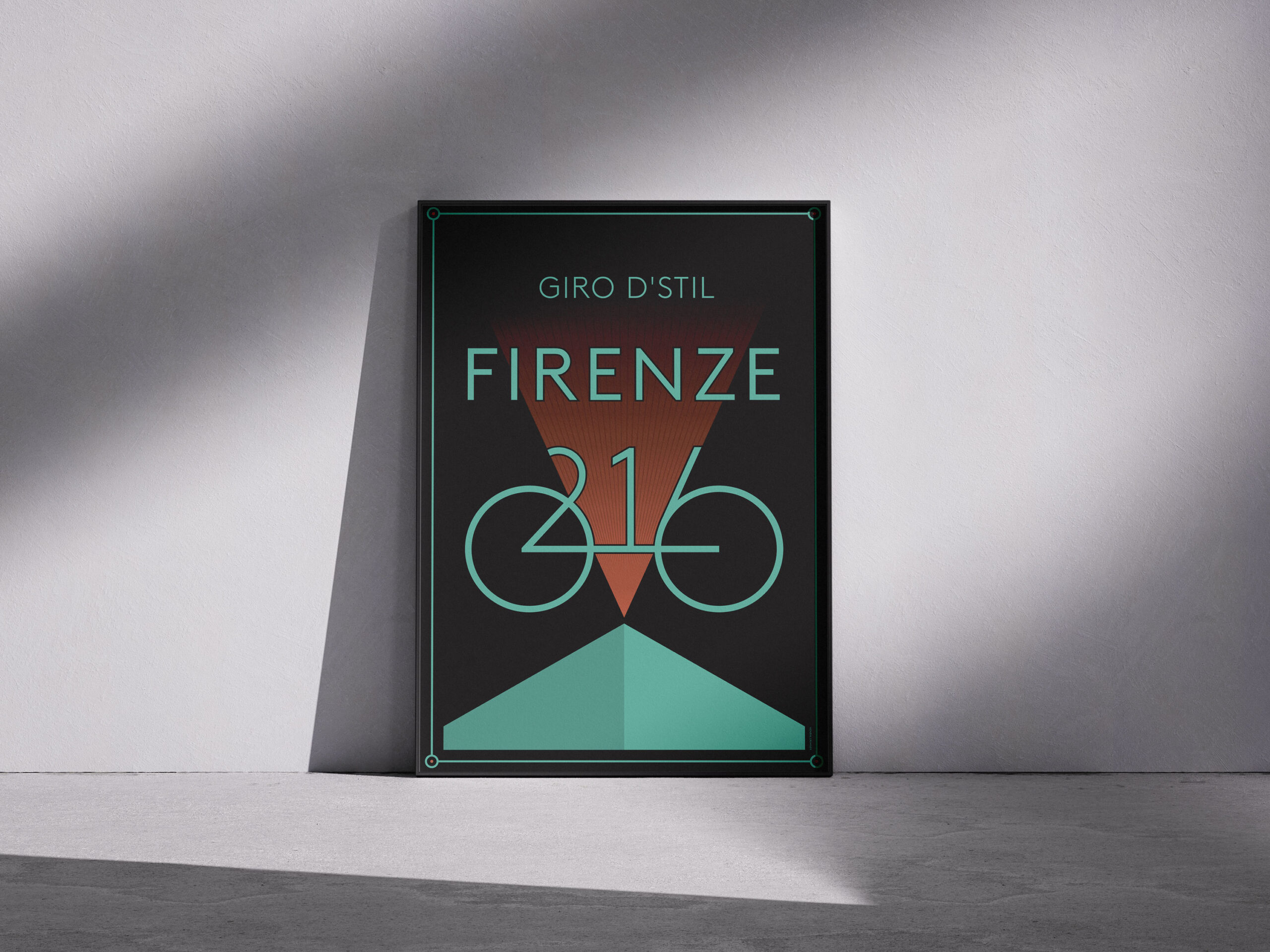
Co-founder and strategic lead. Responsible for brand strategy, concept development, creative direction, and identity design.
Client: Giro d’Stil
Agency: Giro d’Stil
Design collaboration: Henrik Grimner, HGAB
Font design: Kristian Möller, KTKM
Production collaboration: Archivio Personale
Photo: Jamie Ferguson & Indigital Italia