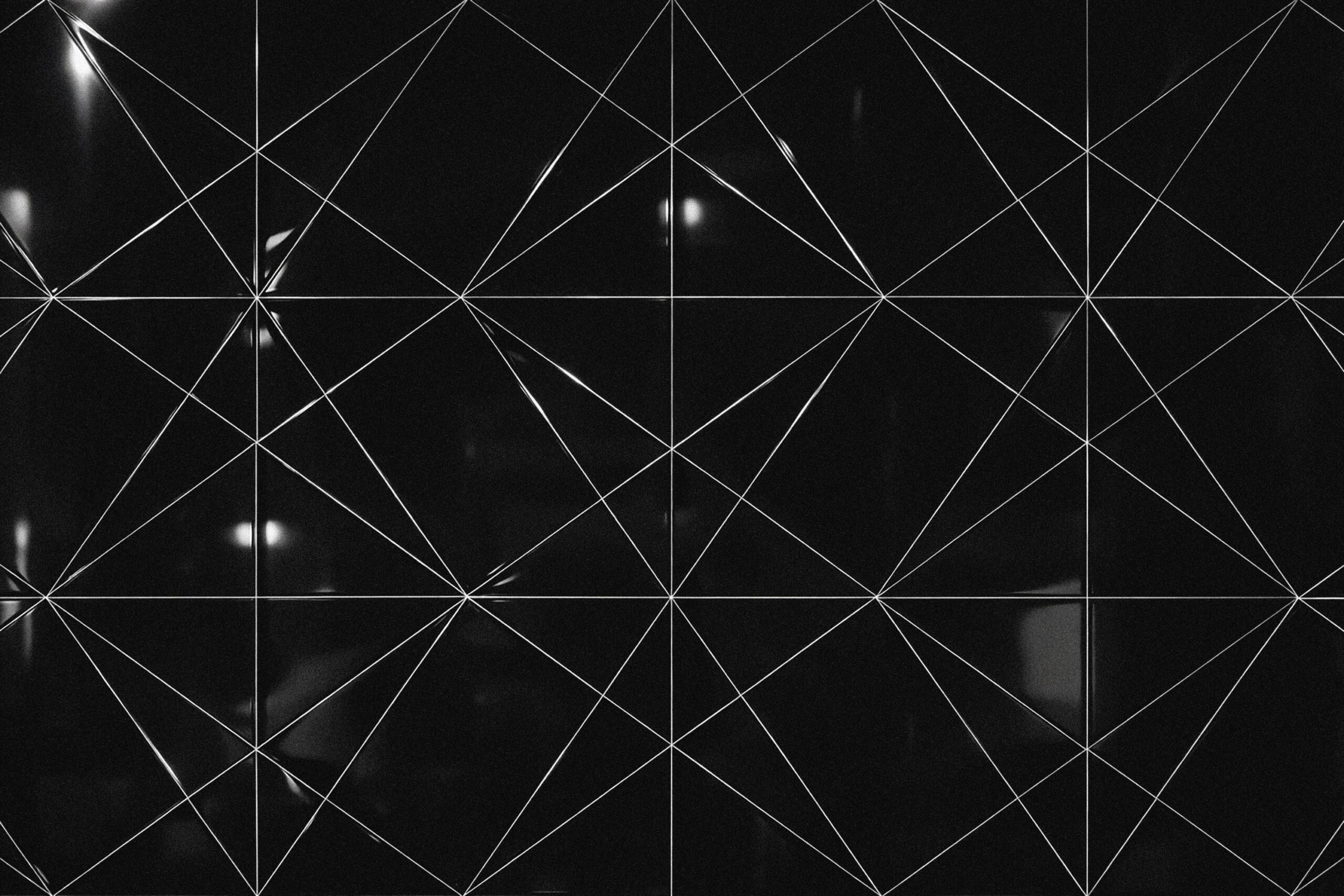
Structuralism framing the culinary experience
Challenge
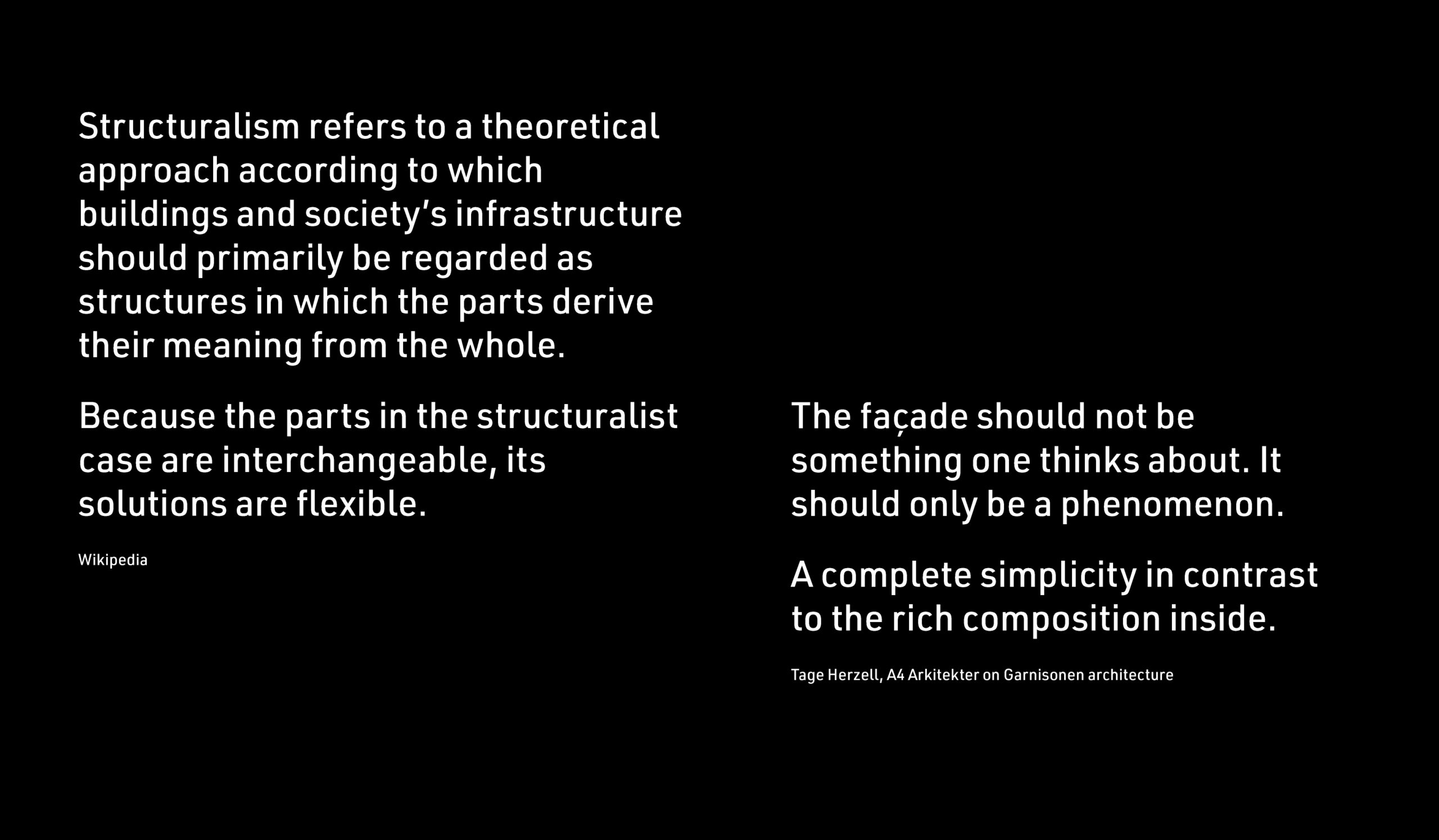
When the first K-Märkt restaurant opened inside the iconic Garnisonen, the challenge was not simply to create another restaurant brand. The location itself carries architectural significance. Designed by Tage Hertzell and developed by A4 Arkitekter, Garnisonen is one of Stockholm’s most prominent examples of structuralist modernism.
Traditional restaurant branding tends to operate independently of its spatial context, often relying on decorative motifs or lifestyle imagery. In this case, such an approach would have ignored the strong architectural identity already embedded in the building.
Read more +
Solution
The identity system was derived directly from the structural logic of the Garnisonen complex.
Structuralist architecture emphasizes modular systems, relationships between parts, and the visibility of structure itself. Rather than referencing the building visually, the design extracted its underlying structural principles and translated them into a graphic language.
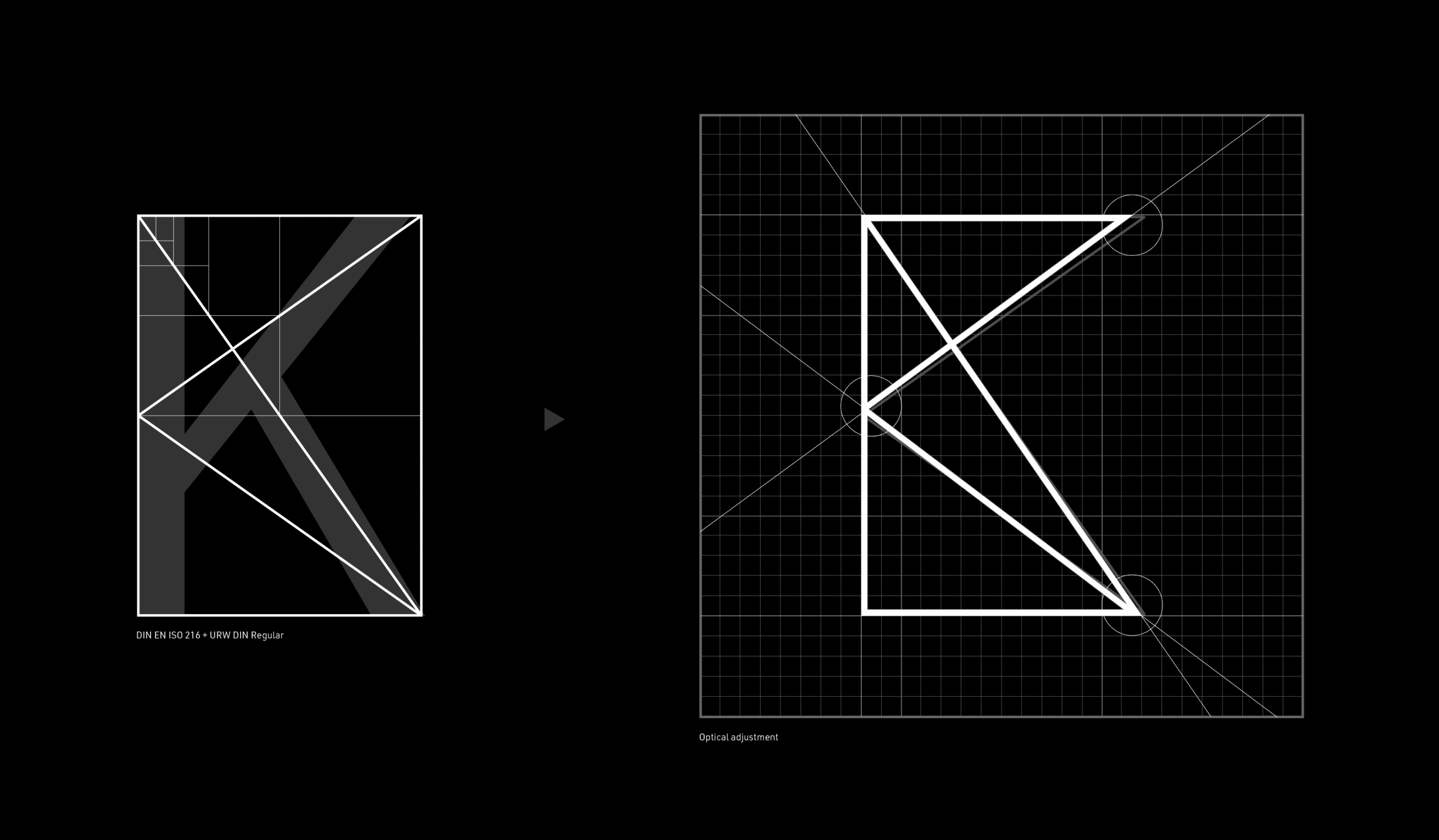
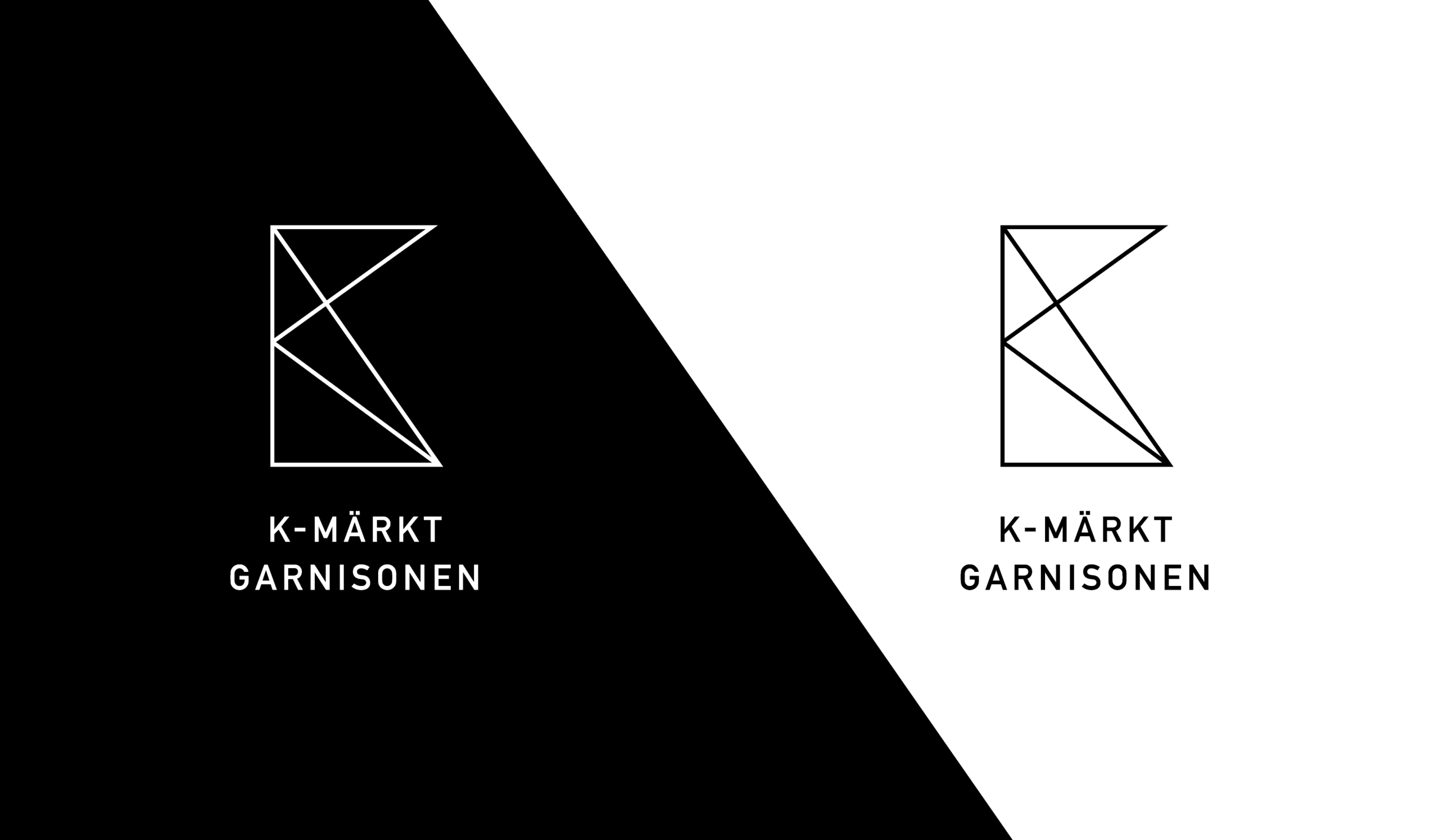
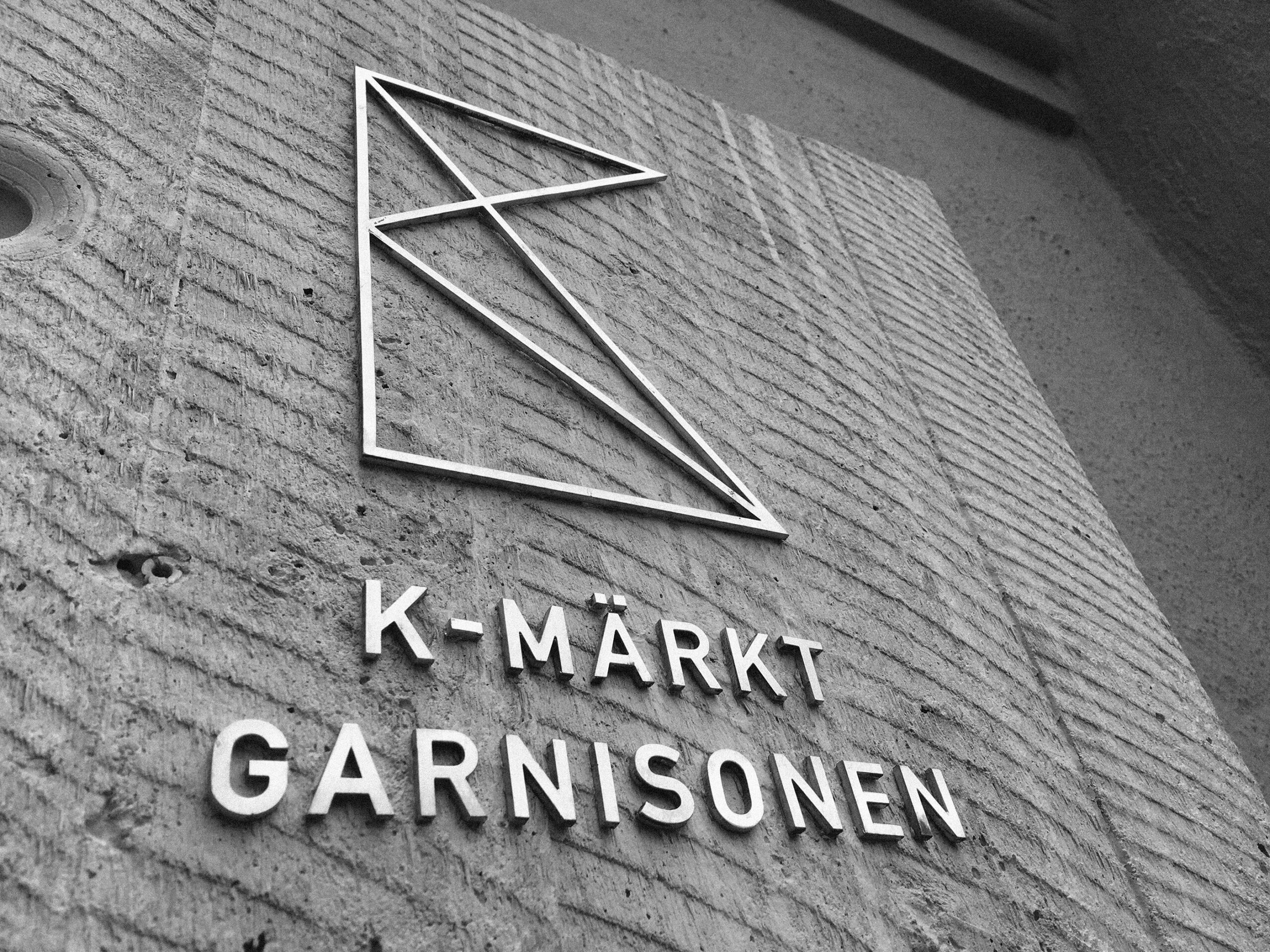
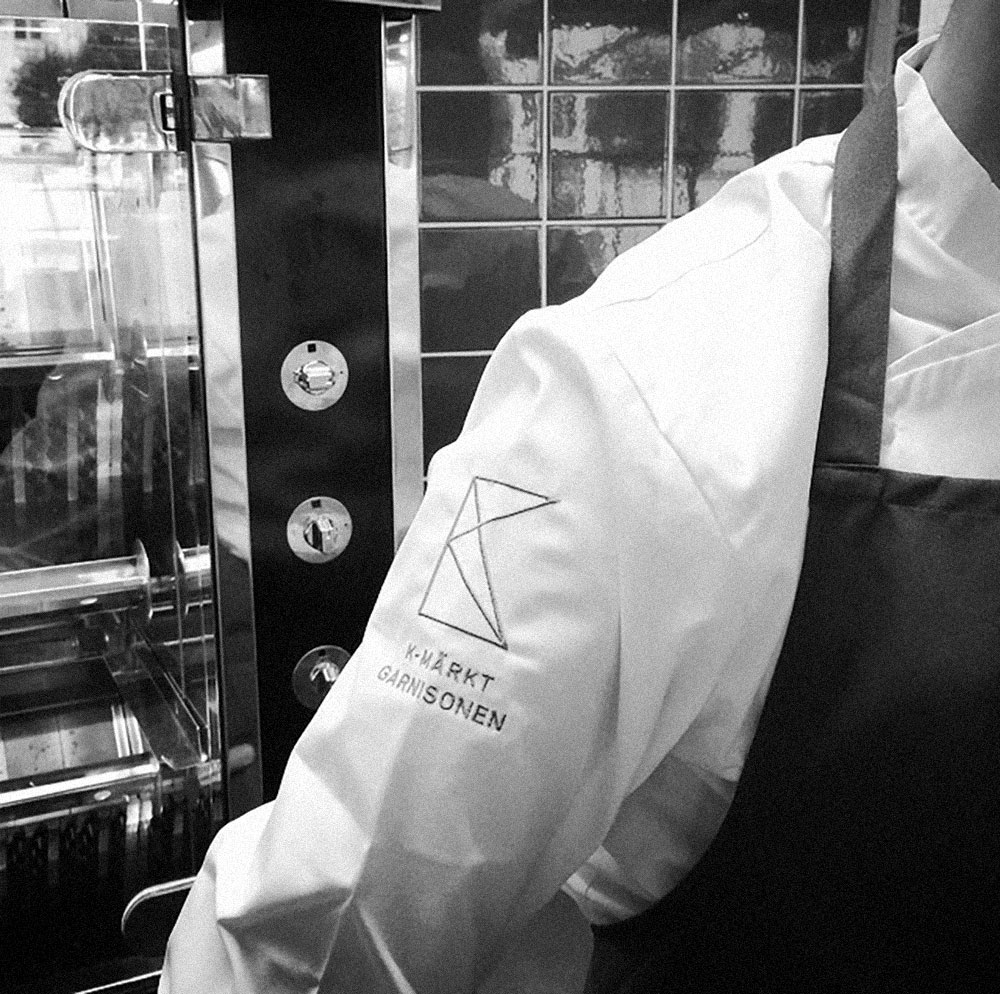
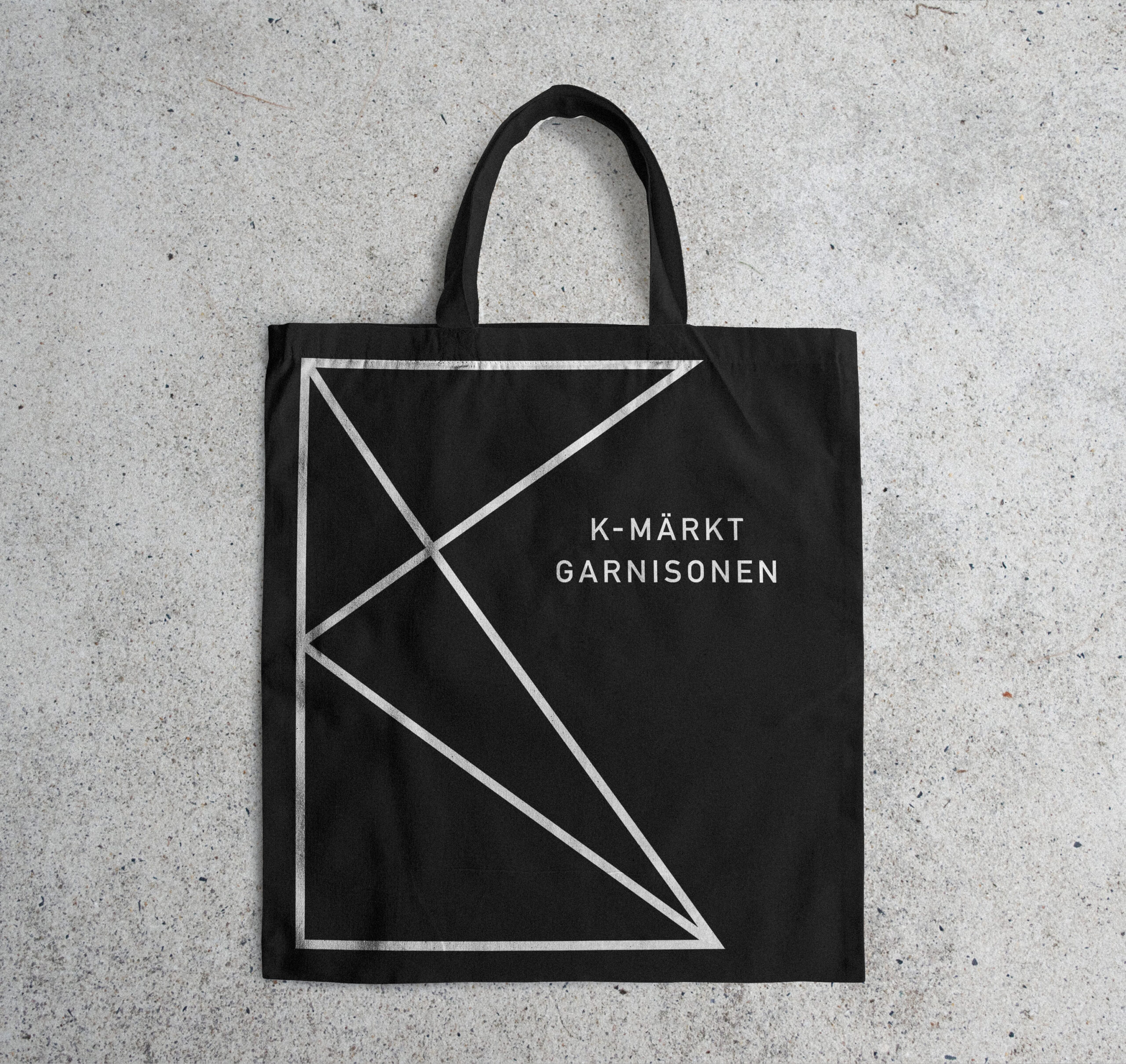
The logo was constructed from a geometric framework of intersecting lines and triangular divisions, echoing the structural relationships found in the building’s architecture. This framework became the foundation for the broader identity system.
From this base structure, the identity extended into:
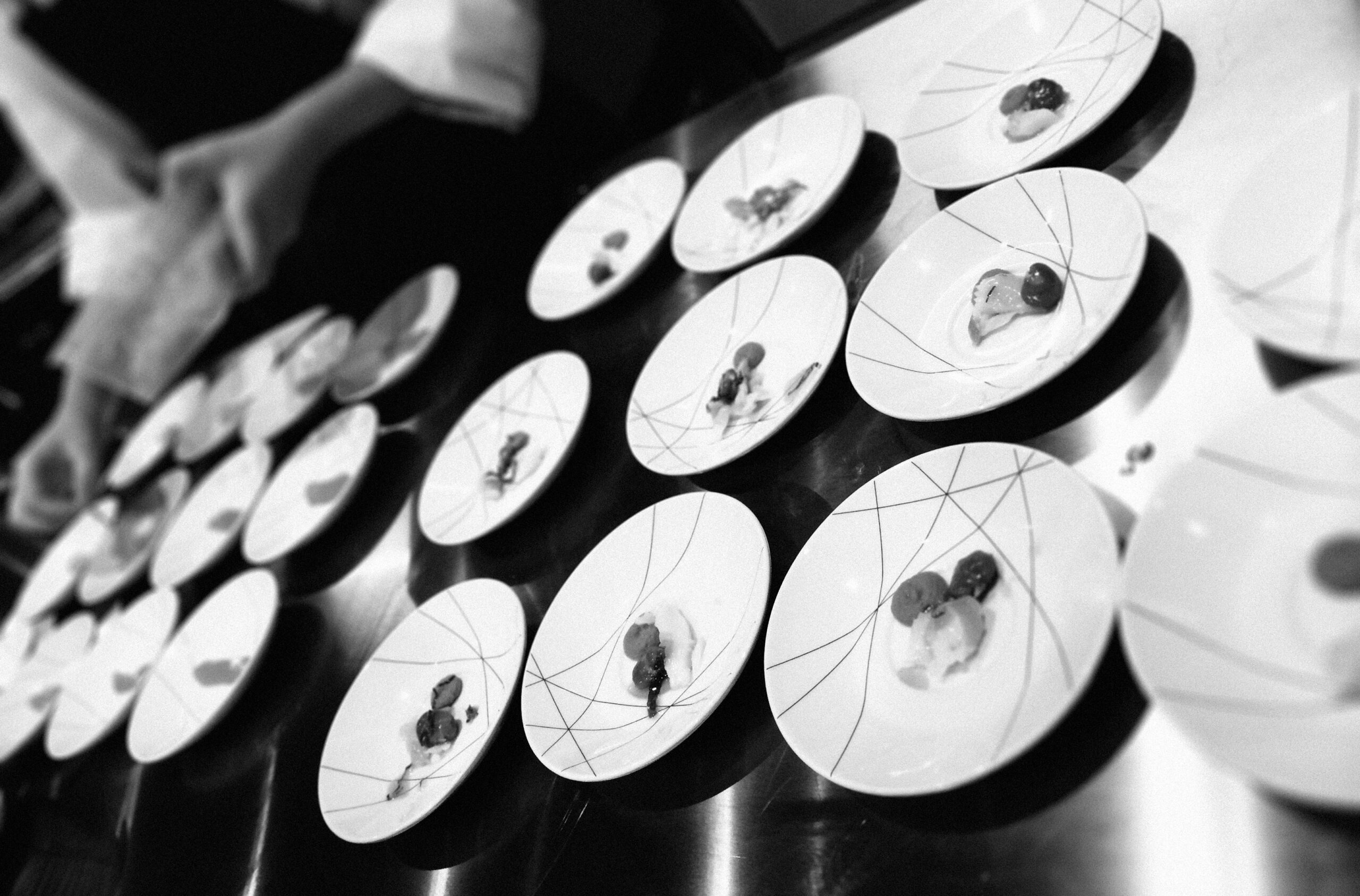
• a repeatable geometric pattern derived from the same construction grid
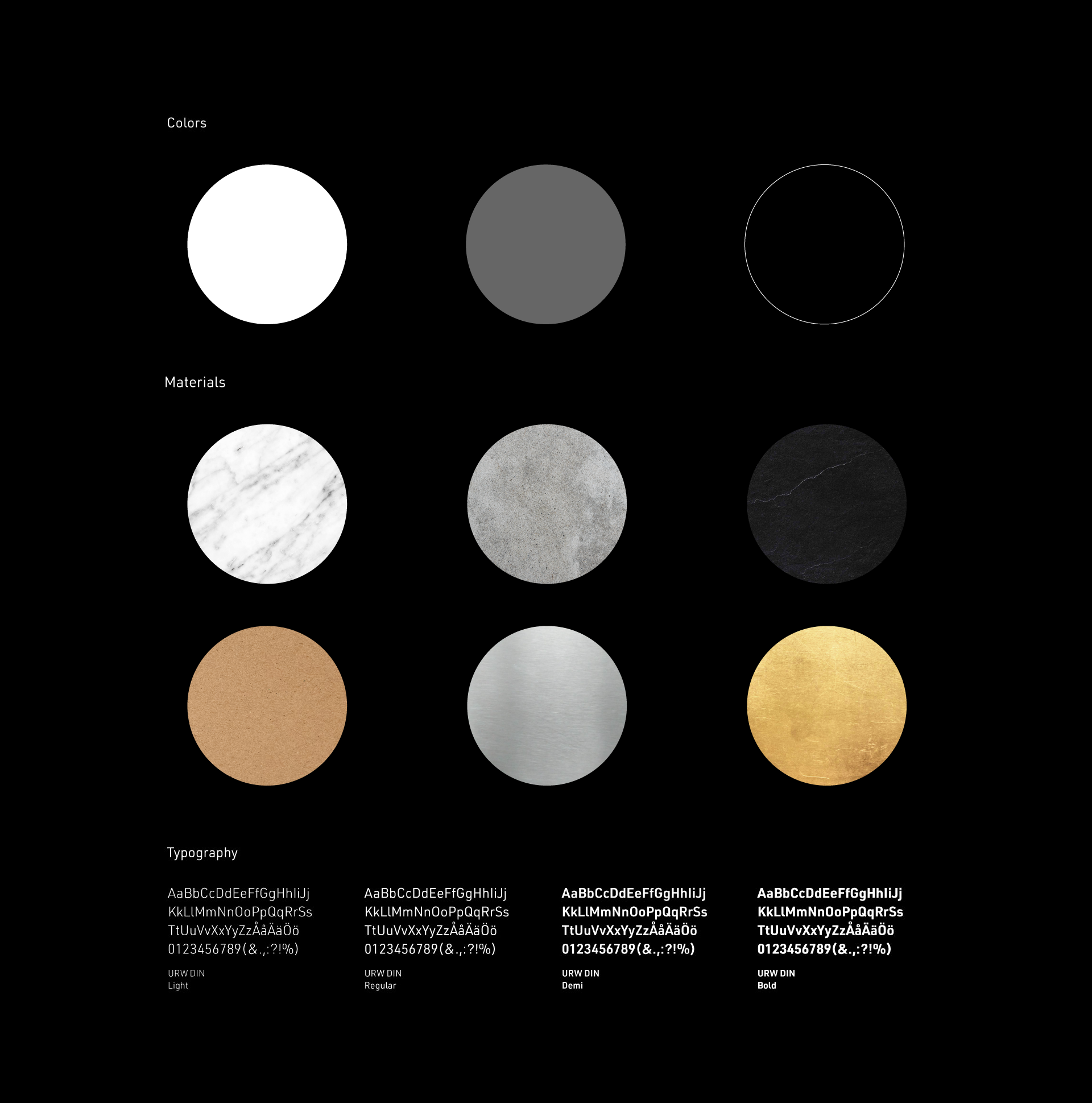
• typographic systems based on industrial modernist forms
• environmental graphics integrated into the interior architecture
• tableware and signage that embedded the identity directly into the dining experience
Instead of functioning as a decorative layer, the identity behaves like an extension of the building’s structural language.
The result is a brand where architecture and identity operate as a single system.
Outcome
Since the opening of K-Märkt Garnisonen, the concept has expanded significantly. Today, K-Märkt operates in nine locations across Stockholm, demonstrating the scalability of the identity system.
Because the visual language is based on structural principles rather than stylistic decoration, it adapts naturally to different locations while maintaining conceptual consistency. The framework allows each restaurant to exist within its own architectural context while remaining clearly part of the same brand.
This confirms that identities derived from structural logic rather than surface aesthetics can scale effectively across environments.
Role
Defined the conceptual framing and developed the identity system, translating the architectural structure of Garnisonen into a graphic framework spanning logo, pattern language, typography, spatial applications, and brand communication.
Client: K-Märkt
Agency: Brandvisory
Photo: Anders Bergh